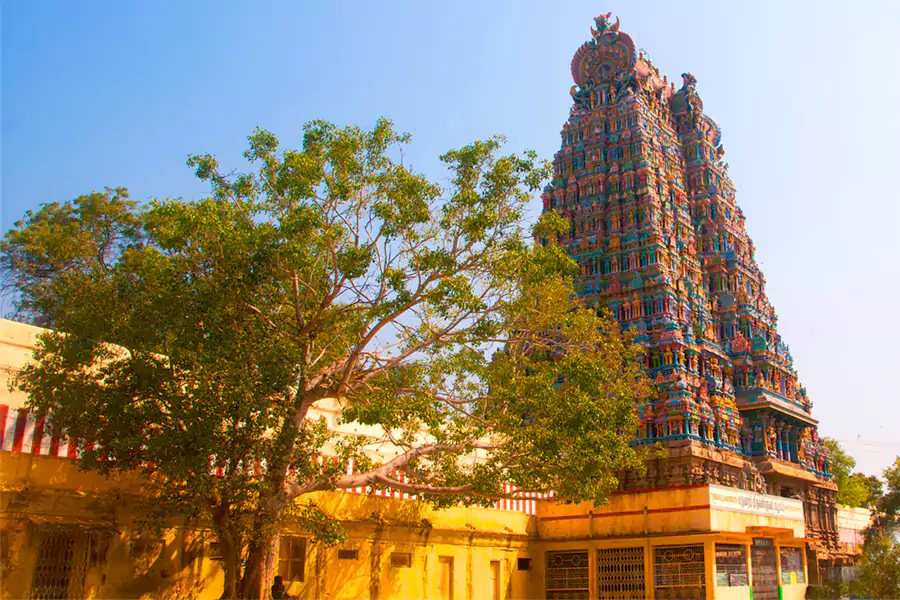
In the heart of the ancient city of Madurai, where the aroma of jasmine mingles with the chants of priests and the rhythm of temple bells, stands one of India’s most celebrated architectural marvels – the Meenakshi Amman Temple. This sacred shrine, dedicated to Goddess Meenakshi (an incarnation of Goddess Parvati) and Lord Sundareswarar (a form of Lord Shiva), is not merely a place of worship; it is a living testament to the rich cultural, artistic, and spiritual traditions of Tamil Nadu.
A Temple Steeped in History
The origins of the Meenakshi Amman Temple trace back over two thousand years, though the current structure was primarily built during the reign of the Nayak dynasty in the 16th century. According to legend, Madurai was blessed by Lord Shiva himself, who showered golden nectar upon the land, earning it the name Madhurapuri – the city of sweetness. The divine wedding of Goddess Meenakshi and Lord Sundareswarar, celebrated annually even today, is believed to have been a celestial event witnessed by gods and mortals alike.
A Feast for the Eyes
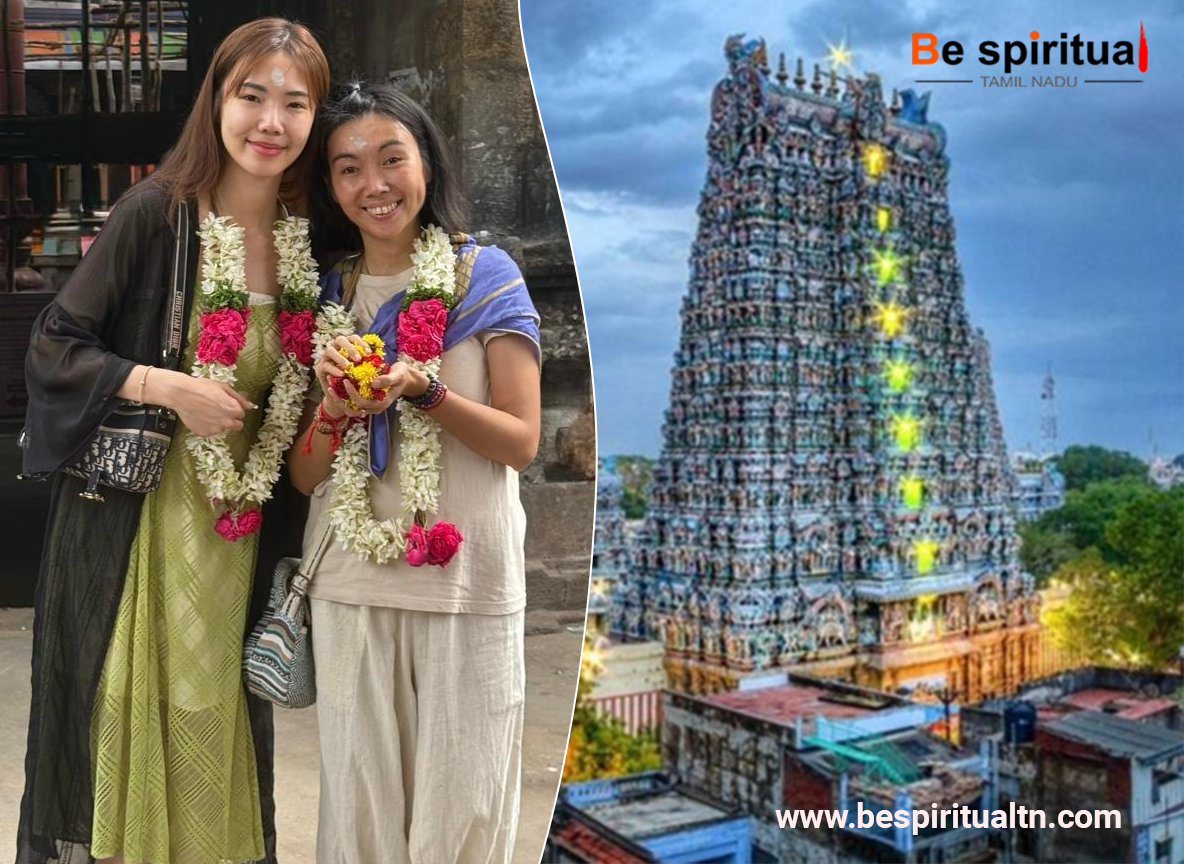
Approaching the temple, one is greeted by towering gopurams (gateway towers) that rise gracefully into the sky, each adorned with thousands of intricately carved statues painted in vibrant hues. These sculptures depict gods, goddesses, demons, and celestial beings from Hindu mythology, making each gopuram a visual encyclopedia of sacred stories. The temple complex spans over 14 acres, housing 14 majestic gopurams, the tallest of which soars to an awe-inspiring 170 feet. Inside, the temple unfolds into a maze of pillared halls, shrines, and courtyards. The famed Ayiram Kaal Mandapam (Hall of a Thousand Pillars) is a masterpiece of Dravidian architecture, where each pillar, though seemingly identical, boasts a unique carving. The sound of devotional hymns, the fragrance of incense, and the sight of oil lamps flickering in the sanctum create an atmosphere that transcends time.
Spiritual Significance
The temple is more than an architectural wonder – it is the beating spiritual heart of Madurai. Devotees believe that Goddess Meenakshi, with her enchanting fish-shaped eyes, blesses her followers with compassion and prosperity, while Lord Sundareswarar showers them with divine grace. Every day, elaborate rituals, processions, and music-filled ceremonies reaffirm the temple’s role as a living center of faith. One of the most significant events here is the Chithirai Thiruvizha, held every April-May, which reenacts the celestial wedding of Meenakshi and Sundareswarar. The festival draws millions of pilgrims from across the world, turning Madurai into a vibrant ocean of devotion and celebration.
A Cultural and Artistic Treasure
Beyond its religious importance, the Meenakshi Amman Temple has been a hub of Tamil art, music, and dance for centuries. Temple corridors have echoed with the notes of Carnatic music, while Bharatanatyam dancers have performed here as offerings to the divine. The inscriptions found on the temple walls are valuable records of Tamil history, language, and culture.
Visiting the Temple
Visitors are advised to dress modestly, respecting the sanctity of the site. The temple opens early in the morning and remains active until late evening, with intervals for rituals and poojas. Photography is restricted in certain areas, allowing the sacred atmosphere to remain undisturbed.
Why You Should Experience It
A visit to the Meenakshi Amman Temple is not merely sightseeing – it is an immersion into a sacred world where devotion, art, history, and architecture meet in perfect harmony. Whether you come as a pilgrim seeking blessings or a traveler drawn to beauty and heritage, the temple promises an experience that stays in your heart long after you leave Madurai.