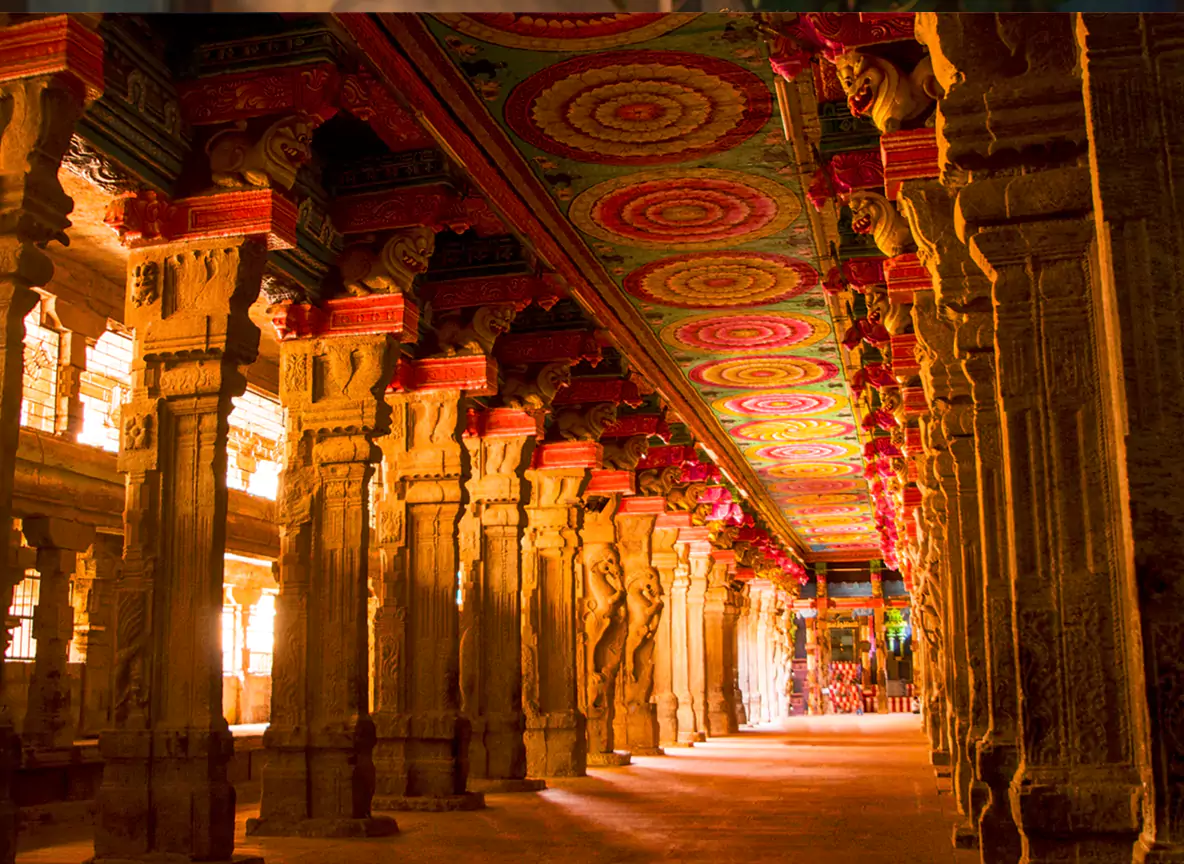
The sun-drenched land of Tamil Nadu, a realm where colossal Gopurams [temple towers] pierce the sapphire sky, is not merely a geographic entity but a vibrant, pulsating heart of profound spirituality. For the devoted, the calendar is not marked by mundane months, but by the celestial rhythms of its magnificent temple festivals, each one a luminous thread woven into the very fabric of its heritage. These Thiruvizhas [festivals] are more than religious gatherings; they are immersive, theatrical reenactments of divine mythology, a communal spiritual journey where the veil between the mortal and the divine grows impossibly thin. To witness these celebrations is to step into a flowing river of tradition, to feel the undeniable continuity of a culture that has revered its Gods and its ancestors for millennia. The air becomes thick with the perfume of jasmine, camphor, and devotion, inviting the soul to awaken to the ancient, powerful stories echoing through the stone halls.
The Historical Tapestry of Celebration: Mythology and Ancient Roots
The roots of these grand festivals plunge deep into the soil of Tamil history, traceable not just through architectural inscriptions but through the lyrical verses of the Sangam literature and the sprawling narratives of the Puranas [ancient Hindu religious texts]. In this sacred land, time is cyclical, and the festivals serve as vital cosmic resets, often aligning with the agricultural cycles, celebrating the bounty of the earth and the celestial forces that govern it. The concept of Valavan – fertility (வளம்) is inherently linked to these celebrations, marking the transition from dry anticipation to verdant life. For instance, the celebration of Panguni Uthiram, often held near the spring equinox, is a widespread expression of gratitude and the celebration of divine marriages, symbolizing the union of cosmic energy. The deity, known as the Moolavar [main, stationary deity], remains in the sanctum, a silent, unmoving presence of eternity, while the Utsava Murti [processional deity] is brought out in a magnificent display. This duality is a profound philosophical statement: the Divine is both the unchangeable Absolute and the dynamic, compassionate manifest entity that walks among its people. The procession itself is a living scripture, a retelling of epics through the language of devotion and public spectacle, ensuring that the great mythological tales are passed down not through dusty manuscripts, but through the shared experience of millions.
Celestial Journeys and Temple Architecture: The Rituals Unfold
The festivals are inextricably linked to the magnificent Dravidian architecture of the temples, transforming the stone structures from static monuments into dynamic stages. Consider the awe-inspiring Chithirai Thiruvizha of Madurai, a spectacle centered around the Meenakshi Amman Temple. This festival is the reenactment of the divine marriage of Goddess Meenakshi to Lord Sundareswarar. The central ritual involves the magnificent procession of the divine couple, seated upon elaborately decorated palanquins and mounts. The climax is the movement of the colossal Ther – Chariot (தேர்), a towering, intricately carved wooden marvel that requires hundreds of devotees to pull its heavy ropes. This act of pulling the Ther is an ultimate symbol of servitude and devotion, a humbling physical effort that grants the devotee a moment of proximity to the Divine, literally pulling the God through the streets, sharing the blessings with the entire city. Similarly, the Arupathumoovar festival at Chennai's Kapaleeshwarar Temple involves sixty-three Saivite saints (Nayanmars) being carried in a massive procession, a moving testimony to the spiritual giants of the past. These rituals demonstrate that the temple premises are only the starting point; the festival allows the God to leave the confinement of the sanctum sanctorum and bless the community, democratizing the act of worship and creating a continuous bond between the deity and the populace.
The Philosophy of Light and Water: Tiruvannamalai and Theppam
No discussion of Tamil festivals is complete without mentioning the spiritually magnetic Karthigai Deepam at Tiruvannamalai, held on the full moon day of the month of Karthigai. This festival transcends traditional temple rituals and embraces the element of fire, embodying the philosophical concept of Lord Shiva as the boundless form of light, the Jyothi – Light (ஜோதி). The culmination is the lighting of the enormous Maha Deepam atop the sacred Arunachala hill. As the flame ignites, millions of voices roar in unison with the cry, “Annamalaiyaruku Harohara,” and the sight of the luminous fire against the night sky is considered the moment Shiva manifests as a pillar of fire. The preceding ritual of Girivalam – circumambulation (கிரிவலம்)—the barefoot walk around the entire 14-kilometre base of the hill—is an act of profound spiritual discipline, where every step is a silent meditation, shedding ego and seeking union with the formless God. Complementary to the celebration of light is the reverence for water, deeply enshrined in the Theppam [float festival] ritual. During this event, the processional deity is placed upon a beautifully decorated raft and floated in the temple tank, often surrounded by lamps. The waters of the temple tank, mirroring the sky above and connecting to the holy rivers like the Kaveri [river], symbolize the nurturing, life-giving aspect of the Divine, a purification ritual for both the God and the people gathered on the banks.
The Rhythms of Devotion: Music, Dance, and Communal Feasting
The festivals of Tamil Nadu are a fertile ground where high culture and community life meet. The very soundscape of these weeks-long events is sacred; the majestic, piercing tones of the Nadaswaram [a traditional double-reed wind instrument] and the vibrant, rhythmic percussion of the Thavil [a barrel-shaped drum] create a divine symphony that announces the presence of the God to all corners of the town. These are not mere background scores; they are integral parts of the ritual, using specific ragas and talas to invoke the right mood for each stage of the procession. Likewise, the classical art form of Bharatanatyam [classical dance] often takes center stage, with dancers performing adavus [basic steps] and abhinaya [expressive interpretation] to narrate the stories of the presiding deity, transforming the temple courtyard into a stage for divine love and valor. Beyond the artistic offerings, the festivals are a powerful exercise in communal harmony. The tradition of Annadanam – charitable food offering (அன்னதானம்) ensures that every person, regardless of caste or wealth, is fed with dignity. The Prasadam [blessed food] distributed during the festival is considered a manifestation of the God’s grace, a spiritualized meal meant to be shared. The philosophical underpinning is clear: true worship is inextricably linked to service (seva) and the recognition of the Divine in every fellow being, making the grandest spiritual experience accessible through the most basic, unifying act of sharing a meal.
Timeless Reflection: The Enduring Legacy of Heritage
As the final chants subside and the last lamps are extinguished, the festival leaves behind more than just memories; it instills a sense of deep, enduring spiritual renewal. These temple celebrations act as an annual anchor, grounding the fleeting contemporary world to the unyielding rock of its cultural heritage. They remind us that the legacy of Tamil Nadu is not just in its centuries-old temples, but in the unbroken chain of Sampradaya – tradition (சம்பிரதாயம்), faithfully observed and passed down through generations. They teach the philosophy of Bhakti [devotion], a path of pure, unconditional love that bypasses intellectual complexity and speaks directly to the heart. For the traveler, the spiritual seeker, and the lover of heritage, these festivals are the truest expression of the Tamil soul—a glorious, poetic blend of history, culture, and the eternal yearning for the divine. They are a continuous invitation to participate in a grand, collective prayer, where the human community finds its highest purpose in celebrating the divine within and without.
The music fades, the colossal chariot sleeps in its shed, and yet,
The deep light from the hill, once kindled, cannot truly die.
It lives in the whisper of the Nadaswaram's echo,
In the shared grace of a final, sweet spoonful of Prasadam,
And in the silent, profound promise of the returning cycle.
For every festival is just a parting benediction,
A spiritual tide receding only to rise again,
Bearing the heritage of a people upon its timeless, faithful wave.