How Visiting Tamil Nadu Temples Transforms the Soul — A Journey of Story and Spirit
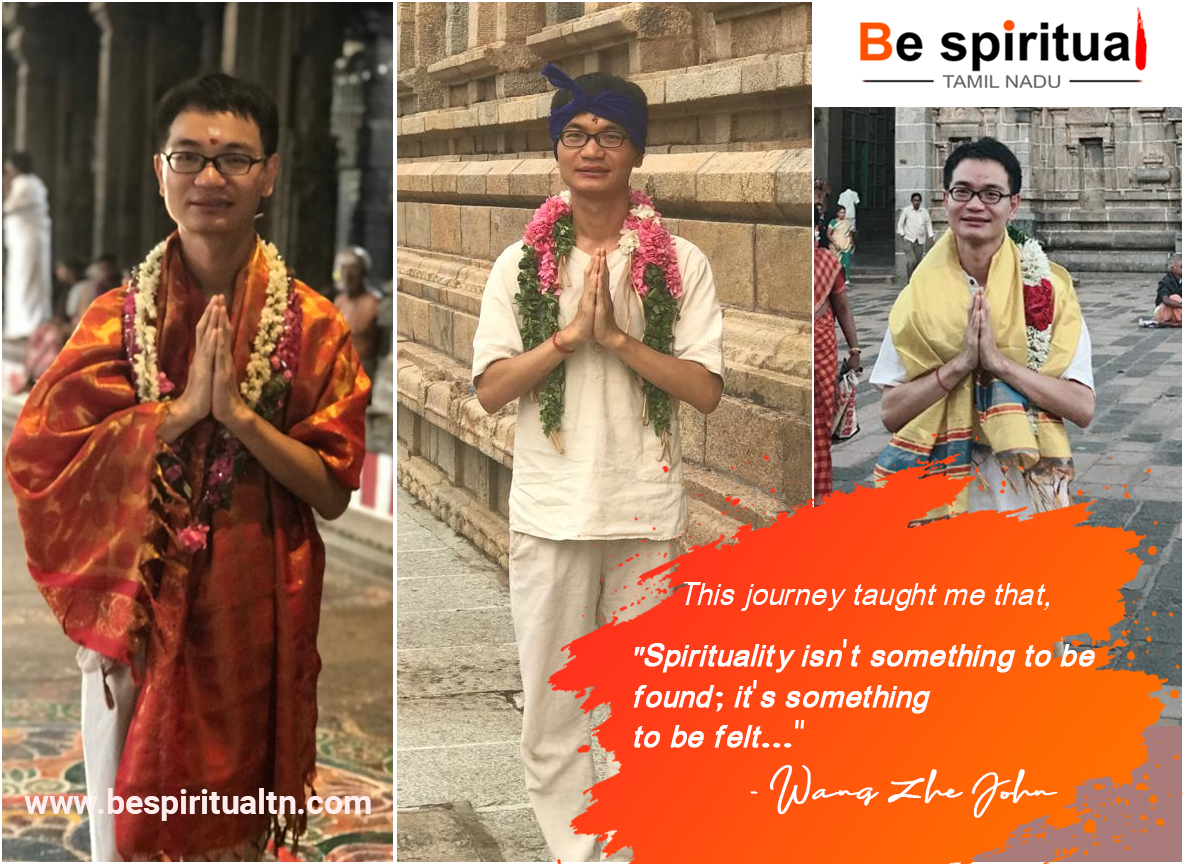
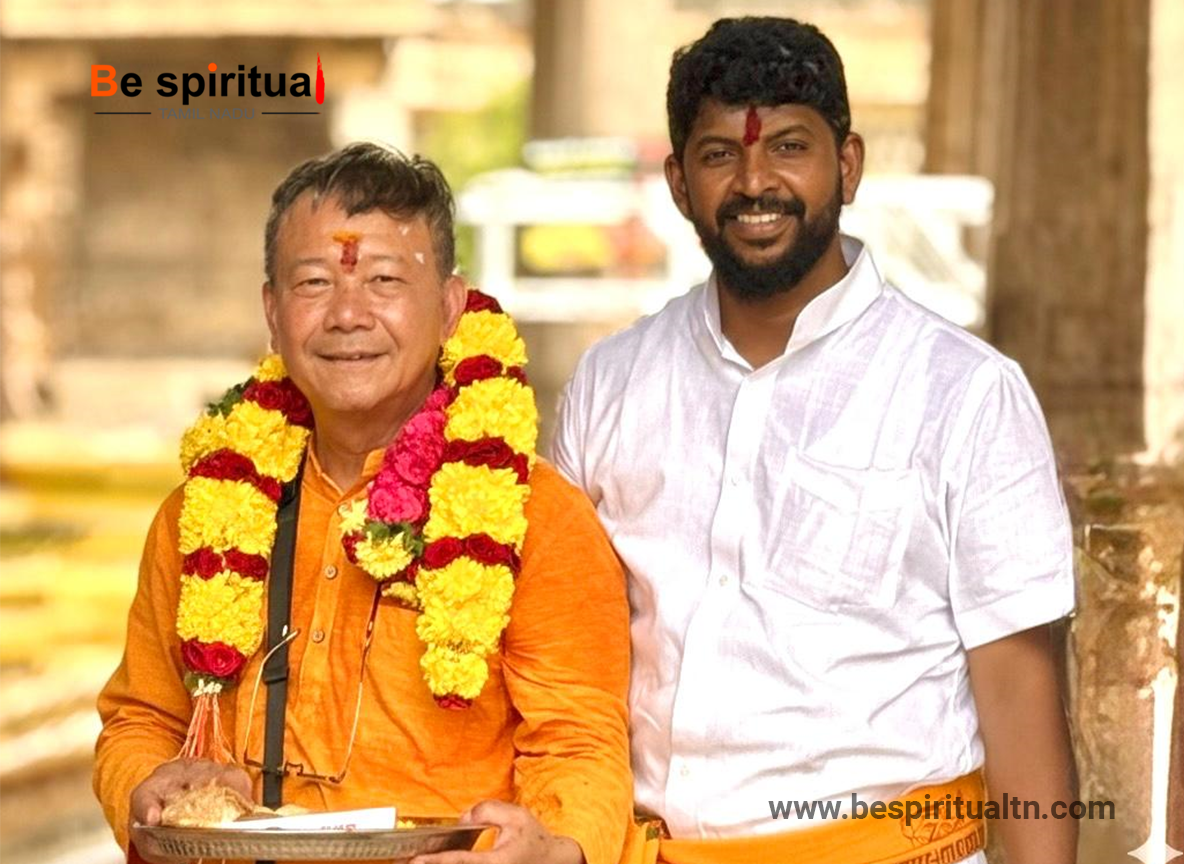
The temples of Tamil Nadu are not merely structures of stone and sculpture; they are living sanctuaries where the soul finds its mirror. To step into these sacred spaces is to step into another rhythm of existence — one where silence, chants, incense, and the divine presence weave together to awaken something hidden deep within. For me, traveling across the temple towns of Tamil Nadu was not just a pilgrimage of the body but a pilgrimage of the heart, a journey that quietly reshaped my inner being.
First Steps: The Call of the Temple Bells
I remember my first visit to the Madurai Meenakshi Amman Temple. The air was thick with jasmine (மல்லிகை), the fragrance of camphor, and the hum of voices rising like waves. As the temple bells rang, something stirred in me. It was as though the echoes were not outside but within — calling me to remember, to pause, to breathe. Walking through the towering gopuram (கோபுரம் – gateway tower) painted with thousands of deities, I felt small yet infinitely connected. In that moment, the temple was not just a monument of devotion but a teacher, whispering: “Shed your burdens, enter in humility, and you shall be transformed.”
Stories Carved in Stone
Each temple of Tamil Nadu tells stories not only through its hymns but through its very walls. In Kanchipuram, the city of a thousand temples, I stood in awe before the Kamakshi Amman shrine, where divine feminine power radiates through sculpture and silence. The stone pillars are not lifeless; they are storytellers of battles, blessings, and the eternal dance between the mortal and the divine. The artistry is more than decoration — it is meditation solidified into form, urging the visitor to see beyond stone and discover the eternal truths hidden within.
The Sacred Rivers and the Pilgrim’s Heart
No temple journey in Tamil Nadu is complete without the presence of sacred rivers. At Srirangam, surrounded by the embrace of the Kaveri (காவேரி) and Kollidam (கொள்ளிடம்), I felt as though the river herself was washing away the layers of weariness I had carried. Pilgrims bathed in its holy waters, children laughed, priests chanted — and yet, beneath all the activity, there was a profound silence, the silence of surrender. The rivers here are not just water but flowing teachers, reminding us of impermanence, continuity, and grace.
When Music, Dance, and Food Become Worship
In temples like Chidambaram, where Lord Shiva dances as Nataraja (நடராஜா – Lord of Dance), worship takes the form of rhythm and movement. To witness Bharatanatyam (பரதநாட்டியம்) performed as an offering in the temple halls is to see devotion embodied in flesh and grace. The nadaswaram and mridangam echo through the corridors, lifting the spirit into a higher vibration. Even temple food — prasadam (பிரசாதம்) — is more than nourishment. A ladle of pongal (பொங்கல்) or a morsel of sweet laddu, when blessed, carries the essence of divine love, reminding us that to eat is also to pray.
Transformation in Stillness
It was in Thiruvannamalai, at the foot of Arunachala Hill, that I felt the deepest transformation. Sitting silently in the ashram of Ramana Maharshi, I discovered that meditation is not something to be done, but something to be allowed. The mountain itself seemed to breathe with me, guiding me into a silence beyond words. In that silence, I understood why Tamil saints called temples “koil” (கோயில் – the abode of the Lord). They are not only places we visit, but spaces where the divine visits us, transforming our very being.
Reflections of the Pilgrimage
Traveling across Tamil Nadu’s temples taught me that the transformation is subtle, like the rising of dawn. It is not in sudden miracles but in slow realizations: the way one’s mind grows quieter, the way the heart opens with compassion, the way pride dissolves into humility. The temples are mirrors, showing us both our fragility and our divinity. Each step across their stone floors feels like stepping across lifetimes of wisdom. And as one leaves, carrying a tulsi garland or a pinch of sacred ash (vibhuti – விபூதி), one realizes that the temple’s greatest gift is not external but the awakening of the soul within.
A Timeless Benediction
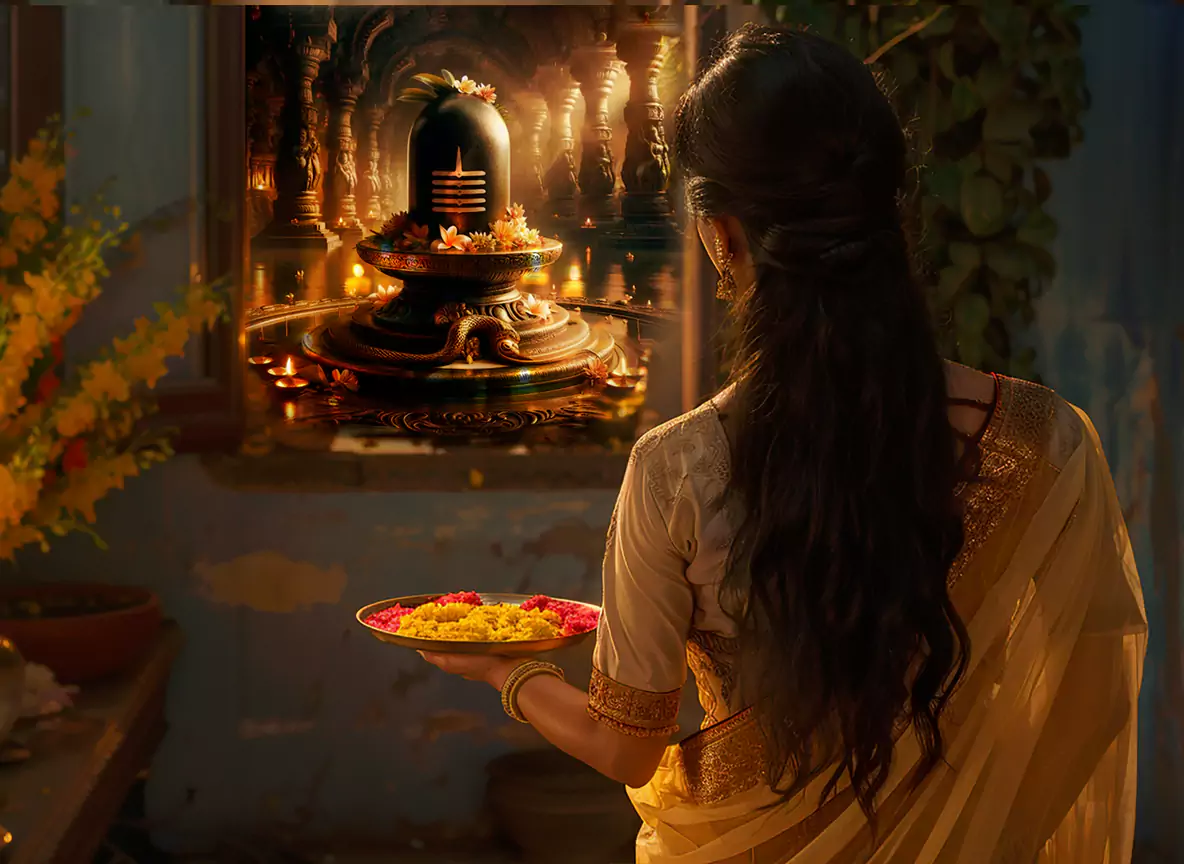
Temples of Tamil Nadu are not just destinations but journeys — journeys into history, into culture, and most importantly, into the depths of the self. They remind us that spirituality is not separate from life but infused in every song, every dance, every meal, every silence. Visiting them transforms not only the path of the traveler but the essence of the traveler’s soul.
“In the hush of temple bells,
in the fragrance of jasmine and camphor,
in the silence of stone sanctums and the laughter of rivers,
I found myself transformed.
For the temple did not change me —
it simply revealed who I truly was.”